
With the rapid transition toward renewable energy worldwide, the integration of distribution solar power, electric vehicles, and smart grids has created new challenges for low-voltage distribution networks. Traditional distribution areas may experience voltage fluctuations, increased power losses, and reduced electricity quality due to unstable loads and renewable energy integration. A low-voltage distribution area energy storage system is an intelligent energy storage solution installed in low-voltage distribution networks. It integrates battery storage, power conversion technology, and energy management systems to achieve efficient energy storage, regulation, and utilization. The system stores electricity during off-peak periods and supplies power during peak demand, improving grid stability and renewable energy utilization.
Product Overview of the low-voltage distribution area energy storage system
Low-voltage distribution area energy storage system is deployed on the low-voltage side of 10kV/0.4kV distribution transformers and connected to the grid at the 0.4 kV level. It functions as a flexible regulation unit at the end of the distribution network, and can perform peak shaving and valley filling, voltage regulation, three-phase imbalance correction, photovoltaic consumption and emergency power supply. It can be used in villages, communities, industrial parks, and high-density EV charging areas.
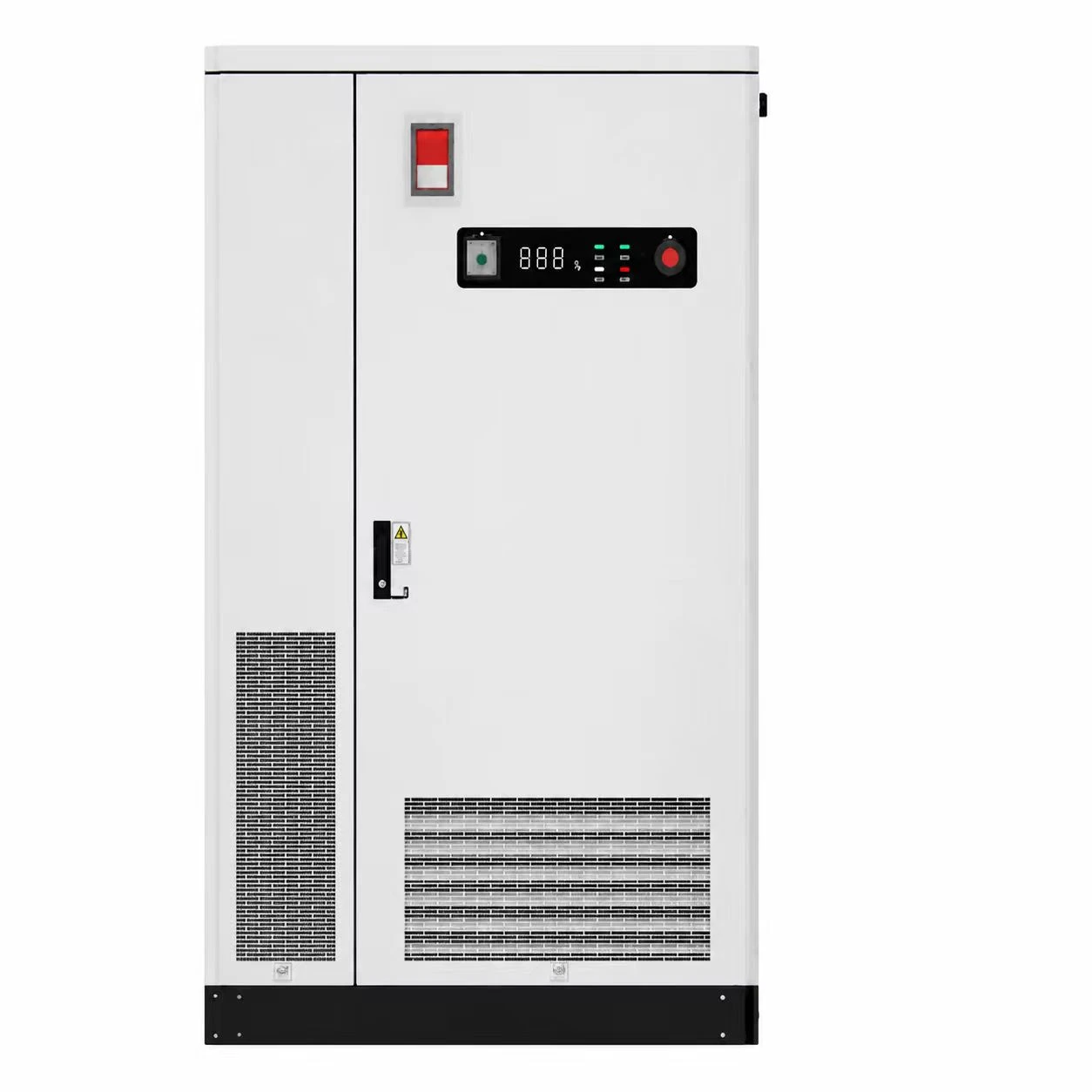
Using lithium phosphate batteries, it features an integrated cabinet design and supports grid-connected and off-grid modes, with millisecond-level response. It addresses issues such as low voltage, heavy overload, and poor power quality in the distribution area, thereby improving power supply reliability and economic performance of the distribution network.
Features of the low-voltage distribution area energy storage system
- Integrated design: IP 54-rated for outdoor areas, C4 anti-corrosion standard, small footprint, and ready for ues upon installation, without additional civil works required.
- Comprehensive power quality conditioning: supports four-quadrant operation and can simultaneously regulate active and reactive power, while mitigating low voltage, harmonics and three-phase imbalance.
- Safe and reliable with multiple protection functions: equipped with multi-level protection functions against overcharge, over-discharge, overheating, short circuit, leakage, and fire protection linkage, in compliance with grid safety standards.
- Smart O&M and remote monitoring: supports 4G/Wi-Fi/Ethernet communication, real-time cloud-based monitoring, remote strategy deployment, and proactive fault alerts.
- Flexible expansion and multi-unit parallel operation: supports modular expansion of power and capacity, and multiple units can operate in parallel to meet the needs of different distribution areas.
- High efficiency and energy-efficient: PCS conversion efficiency ≥ 96%, battery cycle life ≥6,000 cycles, and strong life cycle cost performance.
Technical Parameters of the low-voltage distribution area energy storage system
| Parameters | Parameters |
| Rated Power | 30kW/55kW/107kW/115kW/130kW |
| Rated Capacity | 64kWh/112kWh/215kWh/233kWh/261kWh |
| AC Voltage | AC 380 V ±b15%, three-phase four-wire + PE |
| Rated Frequency | 50Hz/60Hz |
| System Efficiency | ≥ 90% |
| Battery | Lithium iron phosphate |
| Charge/Discharge Switching Time | ≤ 100ms |
| Protection Rating | IP 54 |
| Operating Temperature | -20℃ to +55℃ |
| Relative Humidity | 5%-95% RH(non-condensing) |
| Cooling Method | Forced air cooling |
| Communication Interface | Ethernet/4G support |
| Installation Method | Outdoor ground-mounted |
Installation Method of the low-voltage distribution area energy storage system
- Installation location: Preferably near the distribution transformer or load center of the distribution area. Avoid low-lying areas and locations with flammable or explosive hazard, or strong electromagnetic interference.
- Foundation requirements: Use a reinforced concrete doundation with flatness ≤ 3mm/m. Provide a drainage slope, and the foundation dimensions should be slightly larger than the cabinet base frame.
- Wiring method: Low -voltage cables should be directly connected to the equipment's AC terminals, Grounding resistance should be ≤ 4Ω, and wiring must comply with three-phase four-wire connection standard.
- Space requirements: A maintenance clearance of ≥0.8 m should be reserved around the cabinet, and a space of ≥ 21.2 m should be reserved at the front for operation and maintenance.
Conclusion
The low-voltage distribution area energy storage system provides an effective solution for voltage regulation, peak load management, and renewable energy integration. With increasing global demand for clean energy and smart power systems, intelligent and reliable low-voltage energy storage solutions will play an essential reole in future energy networks.