
Introduction
Voltage fluctuations can affect the performance and service life of electrical equipment. Choosing the right voltage regulator is therefore important for maintaining a stable and reliable power supply. Among the most common options, single-phase voltage regulators and three-phase voltage regulators are designed for different electrical systems and application requirements.
Understanding the difference between these two types of voltage regulators can help customers select the most suitable solution for residential, commercial, industrial, and other power applications.
What Is a Single-Phase Voltage Regulator?
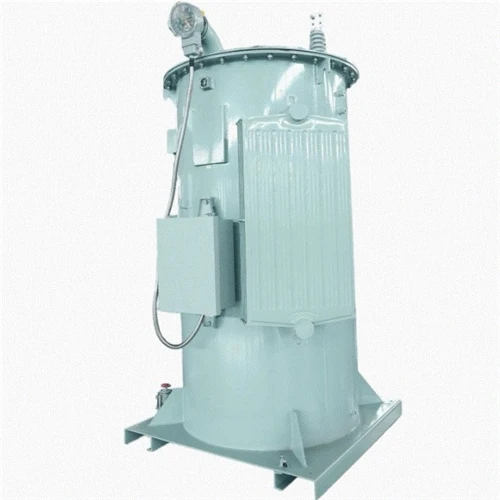
A single-phase voltage regulator is designed to stabilize voltage in a single-phase AC power system. It monitors changes in the input voltage and automatically adjusts the output to keep it within the desired range.
Because of its relatively simple structure and compact design, a single-phase regulator is commonly used for household appliances, office equipment, lighting systems, communication devices, and other single-phase electrical loads.
It is particularly suitable when voltage stabilization is required for individual equipment or small electrical systems.
What Is a Three-Phase Voltage Regulator?
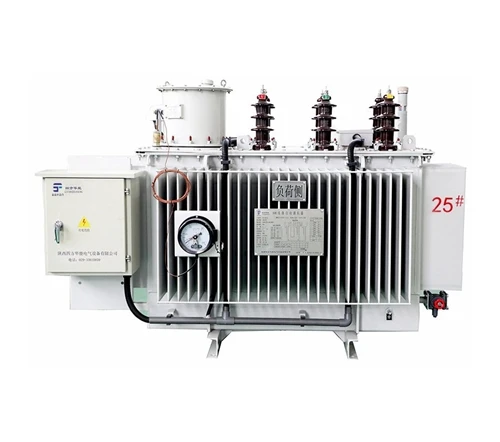
A three-phase voltage regulator is designed for three-phase electrical systems, which are widely used in factories, commercial buildings, large facilities, and industrial equipment.
It regulates the voltage of a three-phase power supply and can provide stable power for motors, production equipment, pumps, HVAC systems, and other three-phase loads.
Three-phase voltage regulators generally have a more complex structure and higher power capacity than single-phase models, making them suitable for larger electrical systems.
Key Differences Between Single-Phase and Three-Phase Voltage Regulators
1. Power Supply Type
The most basic difference is the type of electrical system they serve. A single-phase voltage regulator is designed for single-phase power, while a three-phase voltage regulator is intended for three-phase power systems.
2. Application
Single-phase regulators are commonly used in homes, offices, shops, laboratories, and small electrical installations. Three-phase regulators are more suitable for factories, workshops, commercial facilities, and industrial power distribution systems.
3. Load Capacity
Three-phase voltage regulators generally support larger electrical loads. They are designed to handle the power requirements of industrial equipment and three-phase motors.
Single-phase regulators are more appropriate for smaller loads or individual single-phase devices.
4. System Configuration
A single-phase regulator has a comparatively straightforward configuration. A three-phase regulator requires coordinated voltage regulation across three phases, making its control and protection system more sophisticated.
How to Choose the Right Voltage Regulator?
When selecting a voltage regulator, customers should consider the power supply type, rated capacity, input voltage range, required output voltage, load characteristics, and installation environment.
For a home or small office with single-phase loads, a Single-Phase Voltage Regulator may be the most practical choice. For factories or facilities using three-phase equipment, a Three-Phase Voltage Regulator is generally more appropriate.
Conclusion
The main difference between a single-phase voltage regulator and a three-phase voltage regulator lies in the electrical system they are designed to regulate. Single-phase models are suitable for smaller single-phase loads, while three-phase models are designed for larger and more demanding electrical systems.
Selecting the correct type according to the actual power requirements can improve voltage stability, equipment reliability, and overall system performance.