
Introduction
Stable voltage is essential for the safe and efficient operation of modern electrical equipment. However, voltage fluctuations can occur because of unstable utility networks, changing loads, long distribution lines, or insufficient local power infrastructure. These variations may affect sensitive equipment and reduce the reliability of electrical systems.
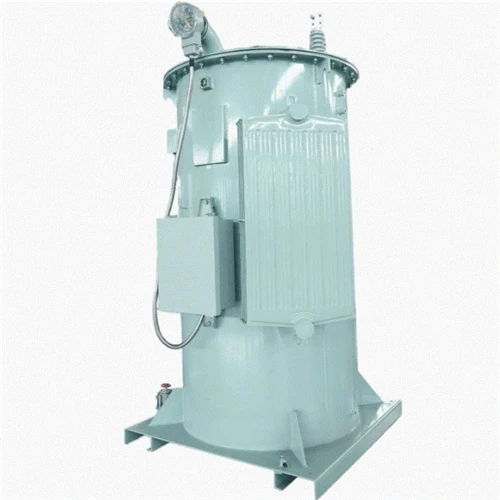
An automatic single-phase voltage regulator provides an effective solution by continuously monitoring voltage and automatically adjusting the output when the input voltage changes. With its simple operation, flexible application, and reliable voltage stabilization, it has become an important solution for residential, commercial, and selected industrial applications.
1. Stable Output Voltage
The primary advantage of an Automatic Single-Phase Voltage Regulator is its ability to maintain a relatively stable output voltage. When the incoming voltage fluctuates, the regulator automatically compensates for the deviation and helps keep the output within the required range.
Stable voltage provides better operating conditions for electrical appliances, control systems, electronic devices, and other sensitive loads.
2. Automatic Voltage Adjustment
Unlike manual voltage regulation equipment, an automatic regulator does not require operators to adjust the voltage continuously. Its control system monitors voltage conditions and activates the regulating mechanism when necessary.
This automatic operation reduces manual intervention and makes the equipment convenient for continuous use.
3. Protection for Electrical Equipment
Voltage that is consistently too high or too low can place additional stress on electrical components. An Automatic Single-Phase Voltage Regulator helps reduce the impact of voltage fluctuations by providing a more suitable supply voltage.
This can contribute to more reliable equipment operation and potentially extend the service life of connected electrical devices.
4. Wide Range of Applications
Single-phase voltage regulators can be used in many environments, including homes, offices, retail facilities, laboratories, communication systems, and small industrial applications.
They are particularly useful in locations where the utility supply is affected by frequent voltage variations.
5. Easy Installation and Operation
Most automatic single-phase voltage regulators are designed for convenient installation and straightforward operation. Once the equipment has been correctly connected and configured, it can automatically perform voltage regulation without requiring constant supervision.
This makes it a practical choice for users looking for a simple voltage stabilization solution.
6. Cost-Effective Power Quality Solution
Compared with replacing an entire power distribution system, installing an appropriate voltage regulator can be a relatively economical way to improve the voltage conditions supplied to specific electrical loads.
For businesses and households facing voltage fluctuation problems, an Automatic Single-Phase Voltage Regulator can therefore provide a practical balance between performance, reliability, and investment.
Conclusion
The advantages of an Automatic Single-Phase Voltage Regulator include stable output voltage, automatic adjustment, improved protection for electrical equipment, convenient operation, wide application, and cost-effective voltage stabilization.
As electrical and electronic equipment becomes increasingly sensitive to power quality, reliable voltage regulation is becoming more important. By selecting a regulator with the appropriate capacity, input voltage range, output voltage, and protection functions, users can achieve a more stable and dependable single-phase power supply.