
The prefabricated substation is becoming an increasingly important solution in modern electrical infrastructure. Designed for fast deployment, compact installation, and high reliability, it is widely used in industrial plants, urban power networks, renewable energy projects, and utility distribution systems worldwide.
As global electricity demand continues to grow, prefabricated substations offer a practical and efficient alternative to traditional on-site constructed substations.
What Is a Prefabricated Substation?
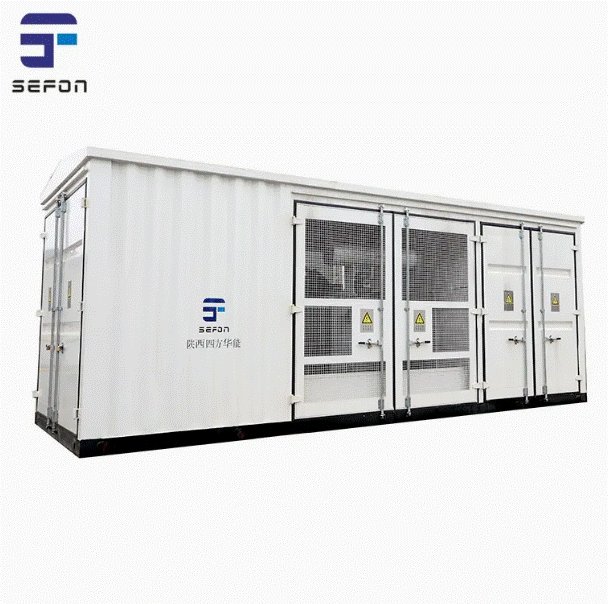
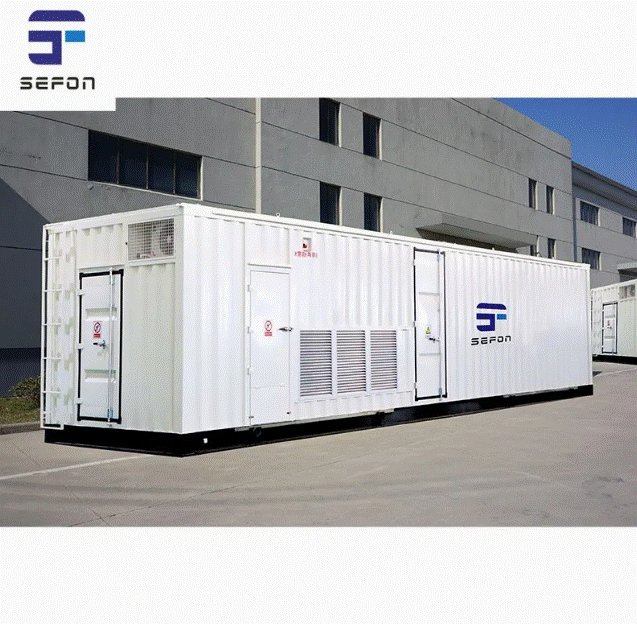
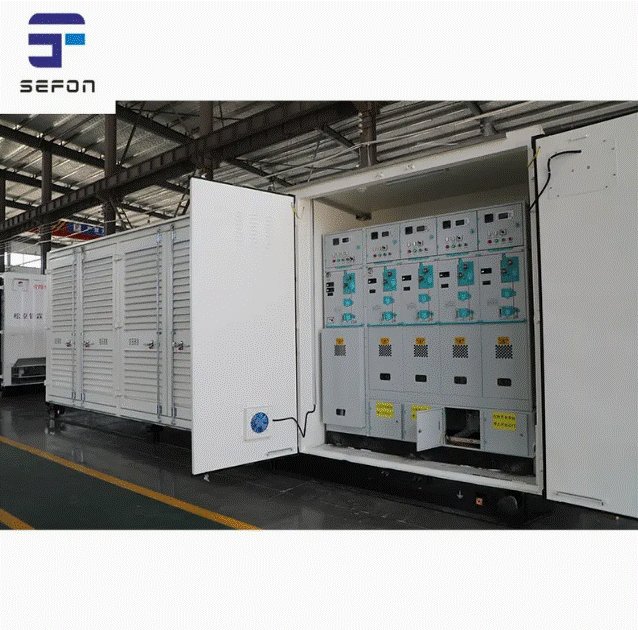
A prefabricated substation is a fully integrated electrical system that combines high-voltage switchgear, transformers, and low-voltage distribution equipment into a single compact enclosure.
Unlike traditional substations that require long construction periods and complex civil engineering work, a prefabricated substation is manufactured and pre-assembled in a factory, then transported to the installation site for rapid commissioning.
This significantly reduces installation time, labor costs, and project complexity.
Key Advantages of Prefabricated Substations
- Fast Installation and Deployment: prefabricated substations can be installed and commissioned in a very short time compared to conventional substations, making them ideal for urgent or temporary power needs.
- Compact and Space-Saving Design: the integrated structure reduces land usage, making it suitable for urban areas, industrial zones, and locations with limited space.
- High Safety and Reliability: factory-tested systems ensure stable performance, with built-in protection systems for overload, short circuit, and fault conditions.
Working Principle of Prefabricated Substations
A prefabricated substation receives medium-voltage electricity from the grid, steps it down through a transformer, and distributes low-voltage power to end users.
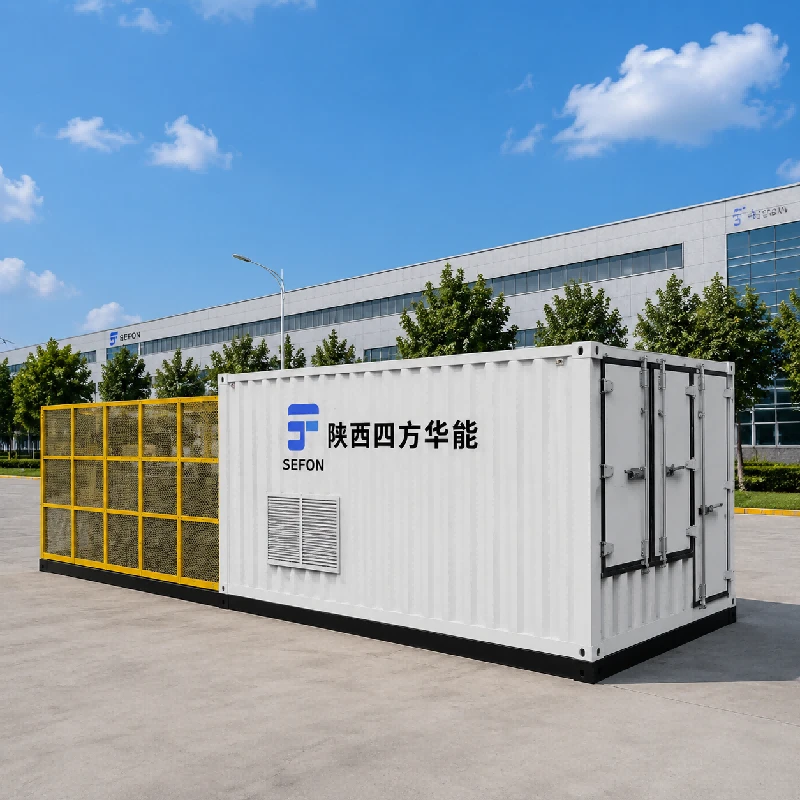
The entire system is enclosed in a protective housing, ensuring safe operation even in harsh environmental conditions such as high temperature, humidity, dust, and heavy rain.
Applications of Prefabricated Substations
Prefabricated substations are widely used in:
- Industrial manufacturing plants
- Urban residential power distribution
- Commercial buildings and shopping centers
- Renewable energy (solar and wind farms)
- Infrastructure and transportation projects
- Mining and oil & gas operations
Their flexibility makes them suitable for both permanent and temporary installations.
Growing Global Market Demand
With rapid urbanization and global infrastructure development, the demand for prefabricated substations continues to rise.
Key growth drivers include:
- Expansion of smart grid systems
- Renewable energy integration
- Industrial electrification projects
- Need for fast-deployment power solutions
Manufacturers are increasingly focusing on modular design, digital monitoring systems, and energy-efficient components to meet international standards.
Conclusion
The prefabricated substation represents a modern, efficient, and highly reliable solution for today's power distribution challenges. With advantages in speed, safety, cost efficiency, and scalability, it is becoming a preferred choice for utilities and industrial users around the world.
As power systems evolve toward smarter and more flexible infrastructure, prefabricated substations will play a key role in shaping the future of global energy distribution.