
Introduction to Prefabricated Substation
The rapid development of industrial facilities, renewable energy projects, commercial buildings, mining operations, and infrastructure has created a growing demand for reliable and efficient power distribution equipment. At the same time, many projects face challenges such as limited installation space, demanding construction schedules, remote locations, and increasing requirements for electrical safety. A prefabricated substation provides an integrated solution for these challenges. By combining the transformer, medium-voltage switchgear, low-voltage switchgear, protection equipment, and auxiliary systems within a pre-engineered enclosure, a prefabricated substation can simplify installation and reduce the complexity of on-site electrical construction. Unlike conventional substations that require multiple stages of civil construction and equipment installation, a prefabricated substation is manufactured and assembled in a controlled factory environment before being transported to the project site. This approach can improve project efficiency while providing a compact and organized solution for power transformation and distribution.
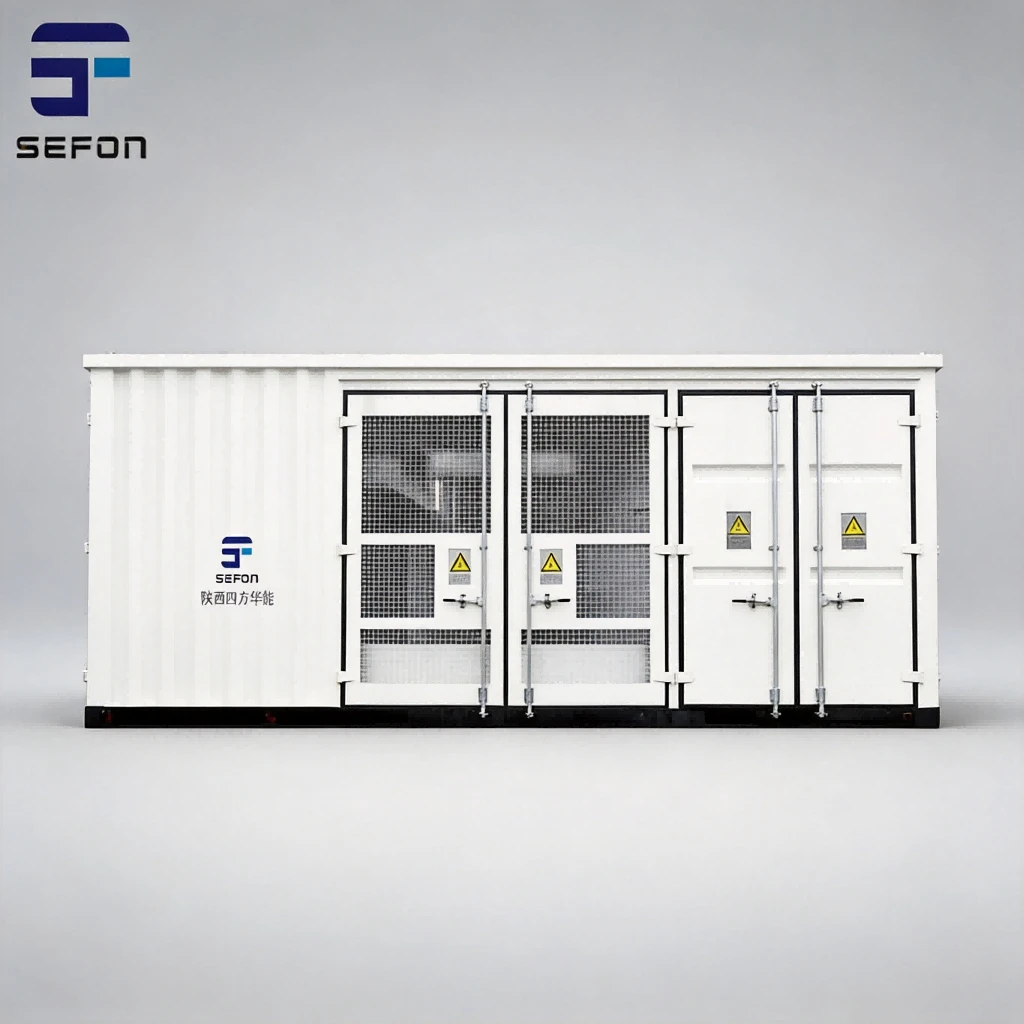
Main Components of a Prefabricated Substation
- Medium-Voltage Switchgear: The medium-voltage switchgear is responsible for receiving and controlling incoming medium-voltage power. It may include circuit breakers, load break switches, disconnectors, fuses, protection relays, and other electrical components. The switchgear provides important functions such as power control, fault protection, and electrical isolation.
- Distribution Transformer: The transformer is the core component responsible for reducing medium-voltage electricity to a suitable low-voltage level for end users. Depending on the project requirements, the prefabricated substation can be equipped with different transformer types and capacities. Oil-immersed transformers and dry-type transformers are commonly selected according to installation conditions and safety requirements.
- Low-Voltage Switchgear: The low-voltage switchgear receives power from the transformer and distributes it to downstream circuits. It can incorporate air circuit breakers, molded case circuit breakers, meters, protection devices, and other control equipment. The configuration can be customized according to the number of outgoing feeders and the characteristics of the connected loads.
- Enclosure: The enclosure protects the internal electrical equipment from environmental influences and provides a suitable operating environment. Depending on the application, the enclosure can be designed with appropriate ventilation, thermal management, weather protection, corrosion resistance, and access arrangements.
Key Advantages of Prefabricated Substation
- Compact and Space-Saving Design: One of the most significant advantages of a prefabricated substation is its compact structure. Since major electrical equipment is integrated into one engineered unit, the overall installation footprint can be reduced compared with some traditional substation arrangements. This makes prefabricated substations particularly useful for urban developments, industrial facilities, renewable energy projects, and other sites where land availability is limited.
- Flexible Configuration: Prefabricated substations can be designed according to specific project requirements. Customers can select different transformer capacities, voltage levels, switchgear configurations, protection systems, monitoring equipment, and enclosure designs. This flexibility allows manufacturers to provide solutions for different power distribution environments rather than relying on a single standardized configuration.
- Reduced On-Site Construction Complexity: Traditional substations may require extensive civil works, equipment foundations, cable trenches, structural construction, and multiple stages of equipment installation. A prefabricated substation integrates many of these functions into a factory-engineered package. As a result, the amount of on-site construction and coordination can be reduced.
How to Choose the Right Prefabricated Substation
International buyers should evaluate several factors before purchasing a prefabricated substation.
- Transformer Capacity: The transformer capacity should match the expected electrical load. Future load growth should also be considered to avoid insufficient capacity during later stages of the project.
- Voltage Level: The incoming and outgoing voltage levels must correspond to the electrical network. Medium-voltage and low-voltage equipment should be properly coordinated with the overall distribution system.
- Protection and Control: The substation should include suitable protection functions for the intended application. Depending on the project, this may include overcurrent protection, short-circuit protection, earth-fault protection, temperature monitoring, and other protective functions.
- Environmental Conditions: Ambient temperature, humidity, altitude, dust, solar radiation, corrosion, and ventilation can affect equipment performance. Projects in desert, coastal, high-altitude, or cold environments may require specialized enclosure and thermal management solutions.
- Transportation and Installation: Since a prefabricated substation is manufactured as an integrated unit, transportation dimensions and weight should be considered during the design stage. The manufacturer should also provide appropriate lifting points, connection arrangements, and installation documentation to facilitate site deployment.
- Manufacturer Experience: Choosing an experienced prefabricated substation manufacturer is important for ensuring product quality and project compatibility. A professional manufacturer should have the ability to provide customized electrical design, equipment integration, factory testing, technical documentation, transportation support, and after-sales service.
Conclusion
Prefabricated substation technology provides a compact, flexible, and efficient approach to modern electrical power distribution. By integrating medium-voltage switchgear, transformers, low-voltage switchgear, protection equipment, and auxiliary systems into a factory-assembled structure, it can simplify installation and reduce the complexity of traditional substation construction. From renewable energy plants and industrial factories to mining sites, commercial buildings, and infrastructure projects, prefabricated substations can be adapted to a wide range of electrical applications. As global demand for reliable electricity infrastructure continues to increase, the need for flexible and rapidly deployable power distribution solutions will also grow. With proper engineering, component selection, factory testing, and site installation, a Prefabricated Substation can provide reliable power transformation and distribution while helping customers improve project efficiency and optimize installation space. For international buyers looking for a dependable.
Prefabricated substation manufacturer, selecting a supplier with strong engineering capabilities, customized design experience, quality control, and professional technical support is essential for achieving a successful long-term power distribution solution.