
The compact substation is an advanced and integrated power distribution solution widely used in modern electrical networks. Designed for fast installation, high safety, and efficient operation, it has become an essential component in urban infrastructure, industrial facilities, renewable energy projects, and utility distribution systems.
With increasing global electricity demand and limited urban space, compact substations provide a practical alternative to traditional large-scale substations.
What Is a Compact Substation?
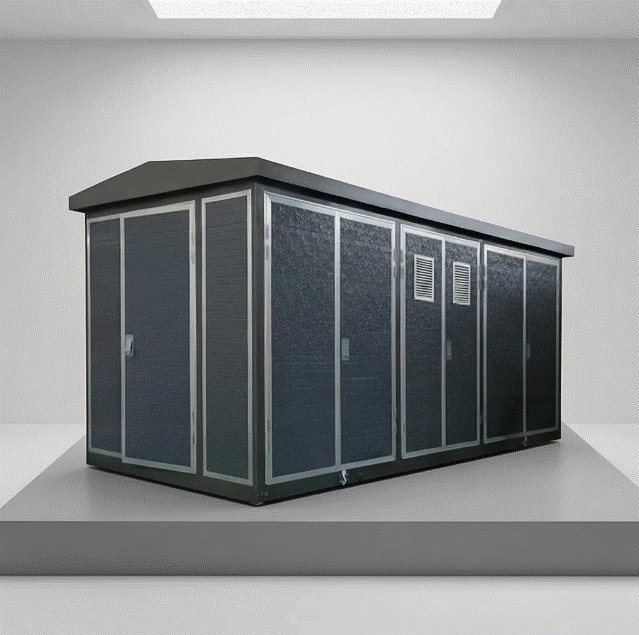
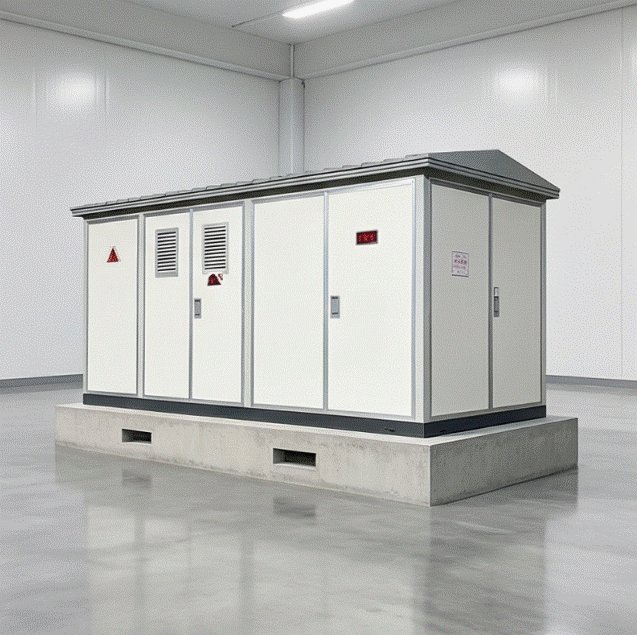
A compact substation is a fully enclosed, factory-assembled power distribution unit that integrates high-voltage switchgear, distribution transformers, and low-voltage panels into a single compact enclosure.
Unlike conventional substations that require extensive on-site construction, compact substations are prefabricated and delivered as a complete system. This significantly reduces installation time, labor costs, and engineering complexity.
Key Advantages of Compact Substations
- Space-saving and modular design: compact substations require minimal installation space, making them ideal for urban environments, residential areas, and industrial zones with limited land availability.
- Fast installation and commissioning: since the system is factory-assembled and tested, it can be quickly installed and connected to the grid, reducing project timelines significantly.
- High safety and reliability: the fully enclosed structure protects internal components from dust, rain, and external interference, ensuring stable and safe operation under various environmental conditions.
Working Principle of Compact Substations
A compact substation receives medium-voltage electricity from the grid, steps it down through a distribution transformer, and then distributes low-voltage power to end users.
The integrated design ensures coordinated operation between high-voltage switchgear, transformer units, and protection systems, improving overall power reliability and efficiency.
Applications of Compact Substations
Compact substations are widely used in:
- Urban residential power distribution
- Commercial buildings and shopping centers
- Industrial manufacturing facilities
- Renewable energy plants (solar and wind farms)
- Infrastructure and transportation projects
- Mining and remote power systems
Their flexibility makes them suitable for both permanent and temporary installations.
Growing Global Demand for Compact Substations
With rapid urbanization and the expansion of smart grid systems, the demand for compact substations continues to grow worldwide.
Key growth drivers include:
- Increasing urban population density
- Expansion of renewable energy integration
- Need for faster power infrastructure deployment
- Rising focus on grid safety and reliability
Manufacturers are also improving modular design, digital monitoring systems, and energy efficiency to meet modern power demands.
Conclusion
The compact substation is a highly efficient and reliable solution for modern power distribution systems. Its advantages in space saving, fast installation, safety, and flexibility make it an ideal choice for utilities and industrial users worldwide.
As global energy infrastructure continues to evolve, compact substations will play an increasingly important role in building smarter, safer, and more efficient power networks.