
As power distribution systems continue to evolve toward higher efficiency and smarter grid operation, the 10kV series compensator has emerged as a key solution for improving voltage stability and overall power quality in medium-voltage networks. Designed for modern distribution grids, this device plays a crucial role in reducing line impedance effects and enhancing power transmission efficiency.
What Is a 10kV Series Compensator?
A 10kV series compensator is a power quality control device installed in distribution networks to compensate for line inductance and voltage drops. By injecting a controlled compensating voltage in series with the transmission line, it effectively stabilizes end-user voltage levels and improves system performance under varying load conditions.
Unlike traditional reactive compensation methods, series compensation directly influences line impedance, making it highly effective in long-distance or heavily loaded distribution feeders.
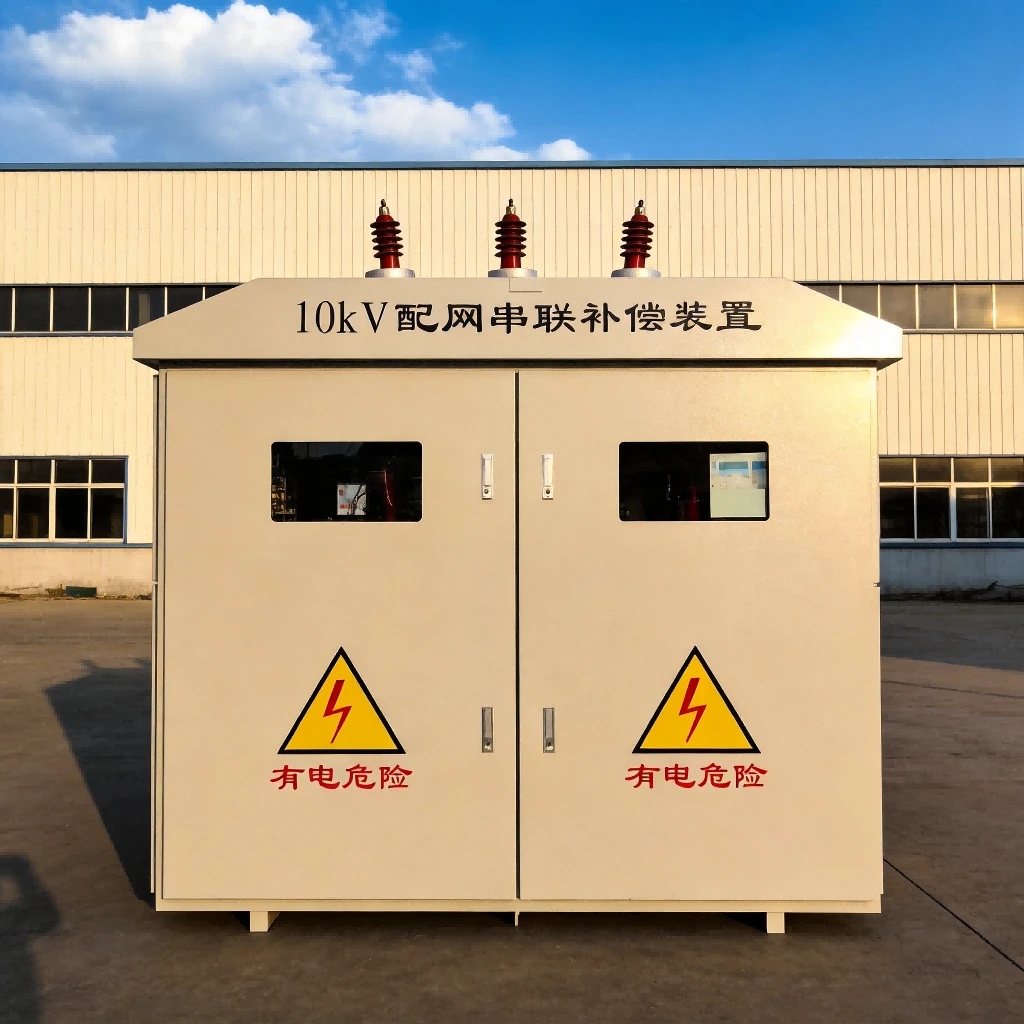
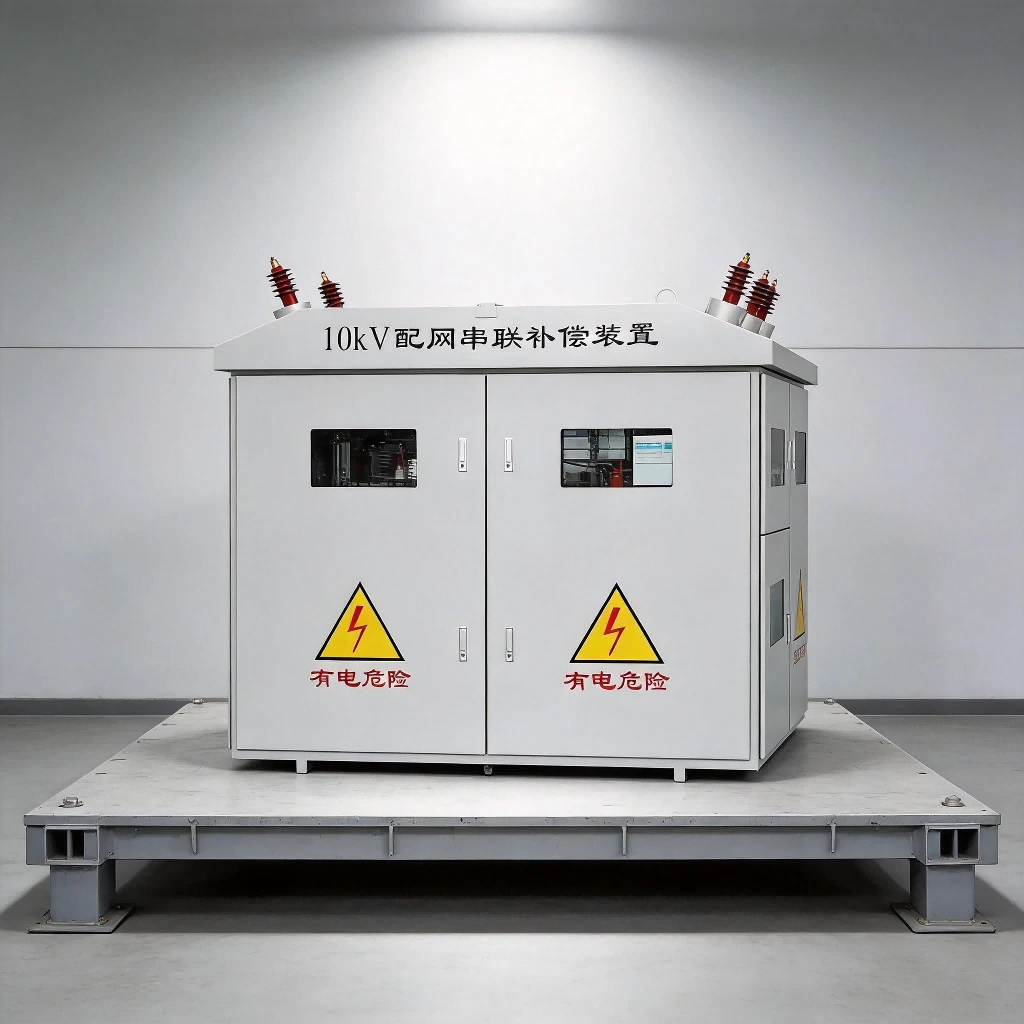
Key Advantages and Technical Features
The 10kV series compensator offers multiple benefits that make it increasingly important in modern grid applications:
- Voltage stabilization: Maintains consistent voltage levels even during peak load fluctuations
- Improved power transfer capability: Increases the effective transmission capacity of existing lines
- Reduced line losses: Minimizes energy loss caused by reactive power and line impedance
- Fast dynamic response: Adjusts compensation in real time based on system conditions
- Enhanced grid reliability: Improves overall system stability and reduces outage risks
These features make it an ideal solution for urban distribution networks, industrial zones, and renewable energy integration points where voltage fluctuations are common.
Working Principle of 10kV Series Compensator
The 10kV series compensator operates by inserting a controllable voltage source in series with the distribution line. This injected voltage counteracts the voltage drop caused by line inductance and load variations.
In practical applications, the system continuously monitors current and voltage conditions and dynamically adjusts compensation levels. This ensures stable voltage delivery to end users without requiring major upgrades to existing infrastructure.
Application Scenarios in Modern Power Systems
The 10kV series compensator is widely used in medium-voltage distribution networks, particularly in scenarios such as:
- Long-distance rural power distribution lines
- Industrial manufacturing parks with high load variability
- Urban grids experiencing voltage instability during peak demand
- Renewable energy integration systems such as wind and solar farms
- Weak grid areas requiring voltage support and reinforcement
As energy demand continues to rise, utilities are increasingly adopting flexible compensation technologies to avoid costly infrastructure expansion.
Industry Trends and Market Outlook
With the global push toward smart grids and digital power systems, demand for advanced voltage regulation technologies is growing rapidly. The 10kV series compensator aligns well with this trend, offering real-time control, improved efficiency, and seamless integration with digital monitoring platforms.
Future developments are expected to include AI-based control algorithms, IoT-enabled monitoring, and higher automation levels, enabling even more precise and adaptive grid management.
Conclusion
The 10kV series compensator represents a significant advancement in distribution network technology. By improving voltage stability, reducing losses, and enhancing system reliability, it provides a cost-effective and scalable solution for modern power grids.
As utilities continue upgrading toward smarter and more resilient energy systems, the 10kV series compensator will play an increasingly important role in ensuring stable and efficient electricity delivery.