
1. Basic Principles and Construction
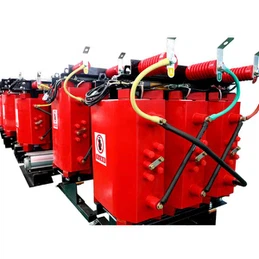
1. Dry-Type Transformers
Dry-type transformers are cooled by natural or forced air circulation. The core components, including the core and windings, are typically treated with resin casting to enhance their insulation properties, reducing the risk of damage due to moisture, dust, and other environmental factors. The insulation used in dry-type transformers is typically epoxy resin or other non-flammable materials, making them suitable for environments with strict safety and environmental requirements.
2. Oil-Immersed Transformers
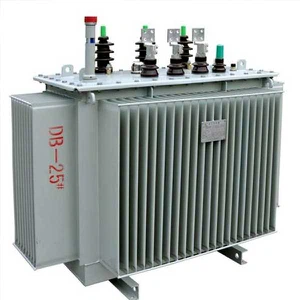
Oil-immersed transformers use transformer oil (typically mineral oil or synthetic oil) to provide both cooling and insulation. The oil circulates within the transformer to dissipate heat generated by the core and windings, maintaining the transformer's stability under high voltage operation. The casing of an oil-immersed transformer is usually made of metal, designed to withstand high internal pressure. The oil also helps reduce damage from electrical arcs or faults.
2. Comparison of Advantages Between Dry-Type and Oil-Immersed Transformers
1. Advantages of Dry-Type Transformers
• Environmental Friendliness and Safety: Since dry-type transformers do not contain oil, they eliminate the risk of oil leakage, fires, or other safety hazards, making them particularly suitable for environments with stringent fire safety requirements.
• Low Maintenance Cost: Dry-type transformers require less maintenance compared to oil-immersed transformers. They have a longer service life and do not require frequent oil level checks or oil replacements.
• Good Heat Dissipation and Overload Capability: With forced air cooling, dry-type transformers can increase their load capacity, ensuring good thermal performance even under high demand.
• Compact Size and Light Weight: Dry-type transformers have a smaller footprint, lighter weight, and lower installation costs.
• Versatility in Application: Dry-type transformers are highly versatile and can be used in a wide range of environments, particularly in confined or enclosed spaces such as urban buildings, mines, tunnels, etc.
2. Advantages of Oil-Immersed Transformers
• Efficient Heat Dissipation: Due to the excellent thermal conductivity of oil, oil-immersed transformers can effectively lower the temperature of the windings and core, thus enhancing the transformer's load capacity and operational efficiency.
• Larger Capacity: Oil-immersed transformers can handle higher loads, making them ideal for high-power applications in large-scale power transmission systems and substations.
• High Reliability: The insulating oil inside the transformer provides excellent dielectric properties. In case of transformer faults, the oil also plays a critical role in extinguishing fire and suppressing electrical arcs, enhancing the safety of the transformer.
• Longer Service Life: The fully sealed transformer housing, with bolted or welded joints at the cover and box edges, isolates the oil from contact with air, preventing moisture absorption. This reduces insulation aging and extends the transformer's lifespan.
3. Application Scenarios
1. Applications of Dry-Type Transformers
Dry-type transformers are often chosen for their low maintenance requirements, high safety, and adaptability in various environments. They are commonly used in:
• Buildings and Residential Areas: High-rise buildings, basements, tunnels, and other spaces that require high safety and fire-resistance standards.
• Chemical Plants, Mines, and Special Environments: Dry-type transformers are ideal for environments with corrosive gases or hazardous conditions, reducing the risk of accidents.
• Low Voltage Systems: Dry-type transformers are typically used in low-voltage power systems where the load is relatively light or stable.
2. Applications of Oil-Immersed Transformers
Oil-immersed transformers, due to their superior heat dissipation and high load capacity, are widely used in:
• Large Power Systems: Such as high-voltage transmission, substations, and other large-scale electrical systems that require significant power conversion.
• Industrial Facilities: Especially in large-scale industrial operations, such as steel plants, power plants, etc., where long-term, stable operation is essential.
• Power Transmission: Oil-immersed transformers are widely used in long-distance power transmission to ensure high efficiency and stable operation while minimizing energy losses.
4. Conclusion
Dry-type and oil-immersed transformers each have distinct advantages, and the choice between them should be based on specific application requirements. If the working environment requires high safety, low maintenance, and low power loads, dry-type transformers are undoubtedly the more suitable option. On the other hand, for high-power, long-term operations in large-scale electrical systems, oil-immersed transformers are more appropriate.
Understanding the differences between these transformer types will help engineers, project managers, and decision-makers make more informed choices, ensuring the reliable and efficient operation of power systems.
References
Wikipedia: Transformer (electrical) - https://en.wikipedia.org/wiki/Transformer